
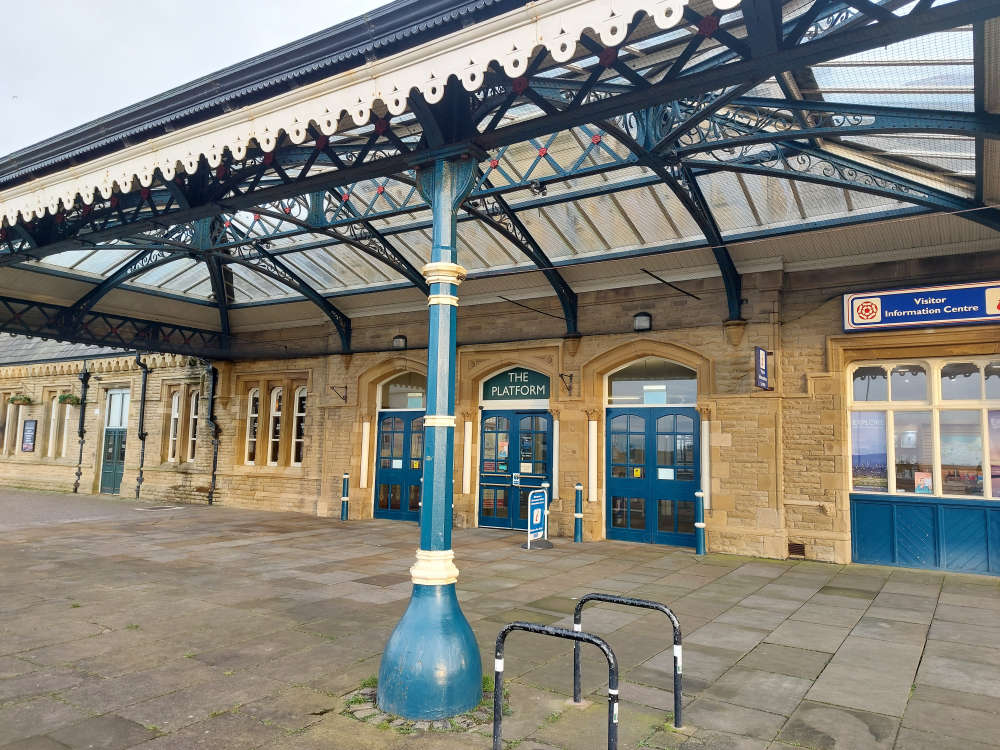
Lancaster City Council is to spend around £1million on improving the energy efficiency of its buildings as part of ambitious plans to make its services net zero carbon by 2030.
The council declared a climate emergency in January 2019 and since then has made great strides in cutting its carbon emissions.
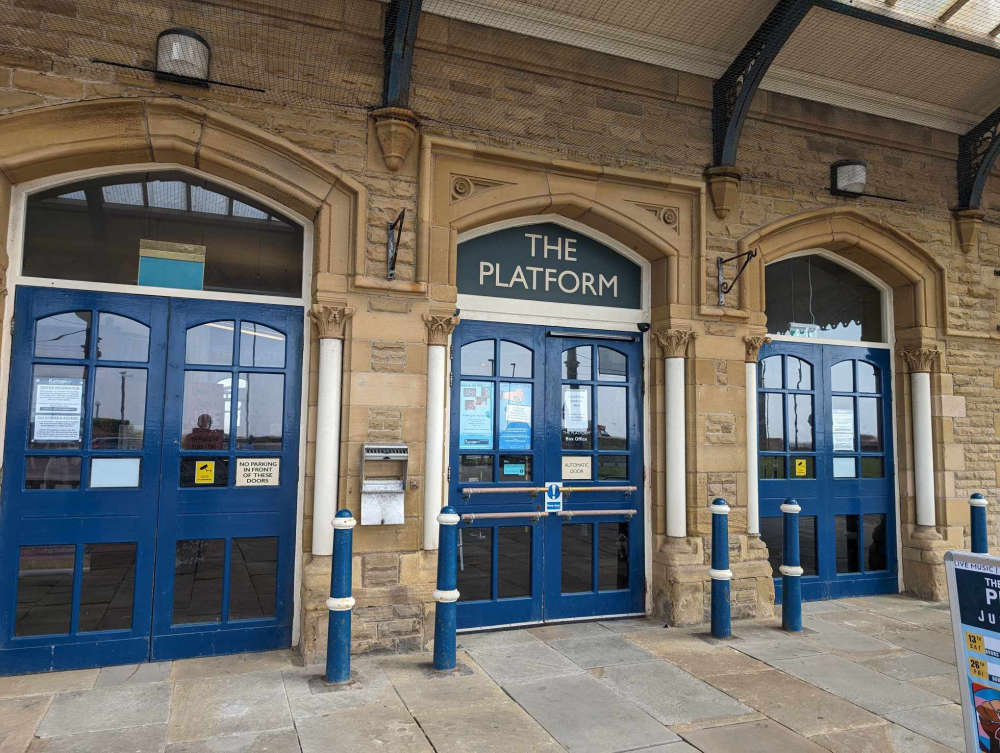
In the latest move the council will install new measures at 10 more buildings: Lancaster Town Hall, Morecambe Town Hall, CityLab, Maritime Museum, Lancaster City Museum, Old Fire Station, Palatine Hall, The Platform, White Lune Depot and Ryelands House.
Works will vary depending on the property but will include a mixture of LED lighting, air and ground source heat pumps, upgraded insulation, secondary glazing and solar PV.
Together it is estimated that these measures could save up to around 133 tonnes of CO2 each year from natural gas and reduce electricity consumption by as much as 231,000 kWh, equivalent to running 80 average homes for a full year.
Councillor Kevin Frea, cabinet member with responsibility for climate action, said: “Tackling the devastating impact of climate change is at the heart of all the council’s policies.
“Through projects such as this we’re making significant progress in meeting our ambitious target of making the council’s activities net zero by 2030.”
The project is being funded by the Public Sector Decarbonisation Scheme (PSDS), money from which has already successfully paid for the decarbonisation of Salt Ayre Leisure Centre. Now substantially complete, it has seen the installation of a 2,880 panel solar farm, a bespoke two-stage heat pump system, new glazing and LED lighting.
Along with a new green energy tariff this means Salt Ayre is now one of the first leisure centres in the country to become carbon neutral. The work has reduced the council’s emissions from natural gas by 35%.
The scheme recently received praise from its funders, who described it as an “exemplary scheme” which will be used as a case study for other similar schemes.
Emissions from natural gas and road diesel produce the bulk of the city council’s direct emissions. Collectively, the new measures work will see natural gas emissions reduce by a further 4%. In February 2022, the council also committed itself to decarbonising its vehicle fleet and over the next four years plans to replace 52 vehicles with electric alternatives, with the aim of having a fully decarbonised fleet by 2030.

 New centre for people with disabilities opens in Morecambe
 Lancaster city centre food charity closed after partial collapse of wall
 High street coffee shop set to open in former Burger King in Lancaster
 Council issues warning after fake QR codes found on carpark pay machines
 Brief Encounter clock returns to Carnforth station after six years
 Three Morecambe and Lunesdale schools to benefit from nursery places cash boost
 New look for Morecambe music venue approved
 Plans for 250 homes at former Carnforth quarry site thrown out by planners
 Lancaster police to hold free bike marking event
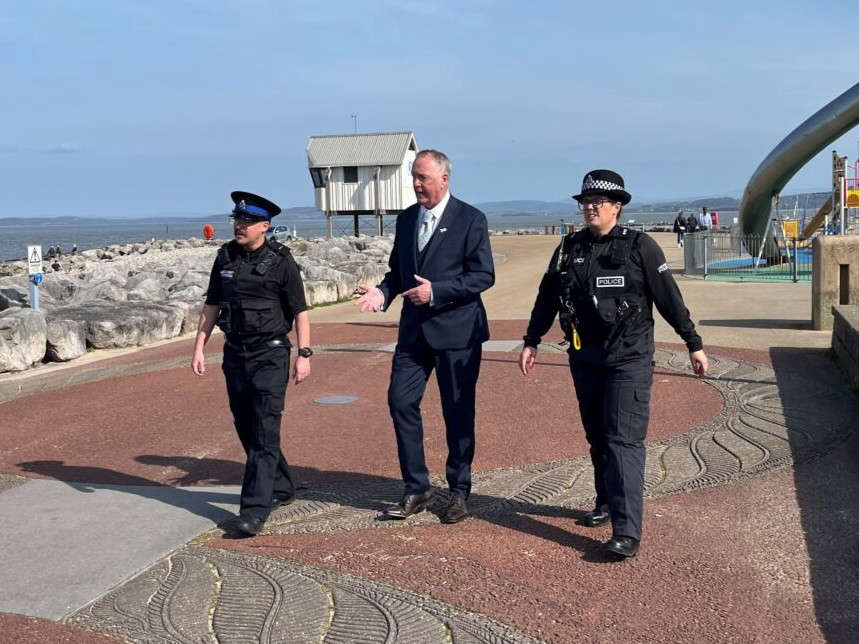 Local priorities discussed on Police and Crime Commissioner’s visit to Morecambe
 Paralympic hero unveils life‑changing rehab bike at Royal Lancaster Infirmary
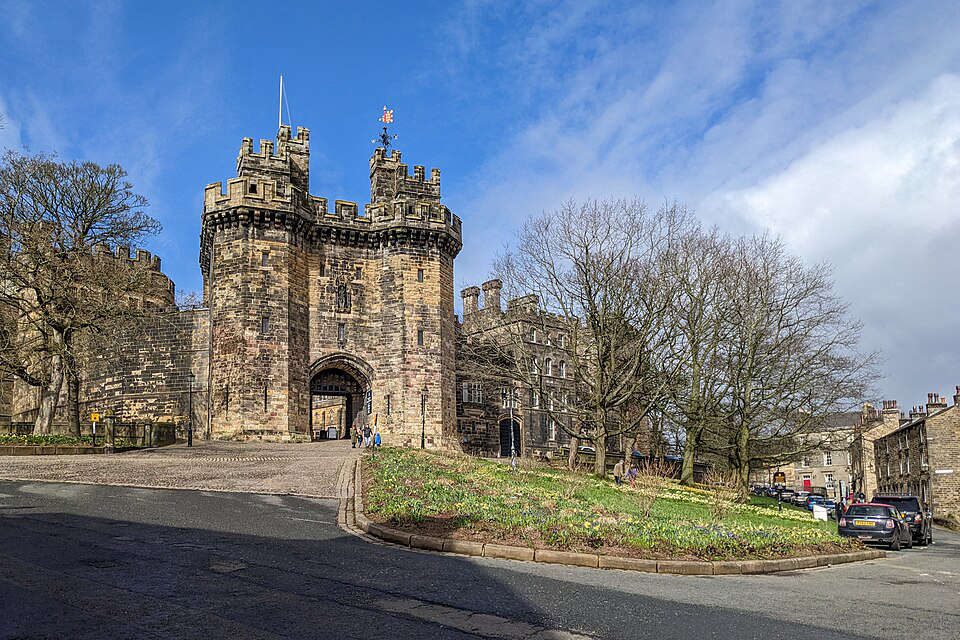 Police warning after anti-social behaviour reports at Lancaster Castle and Priory
 Friend's heartbreaking appeal for help with woman's dying wish to return home
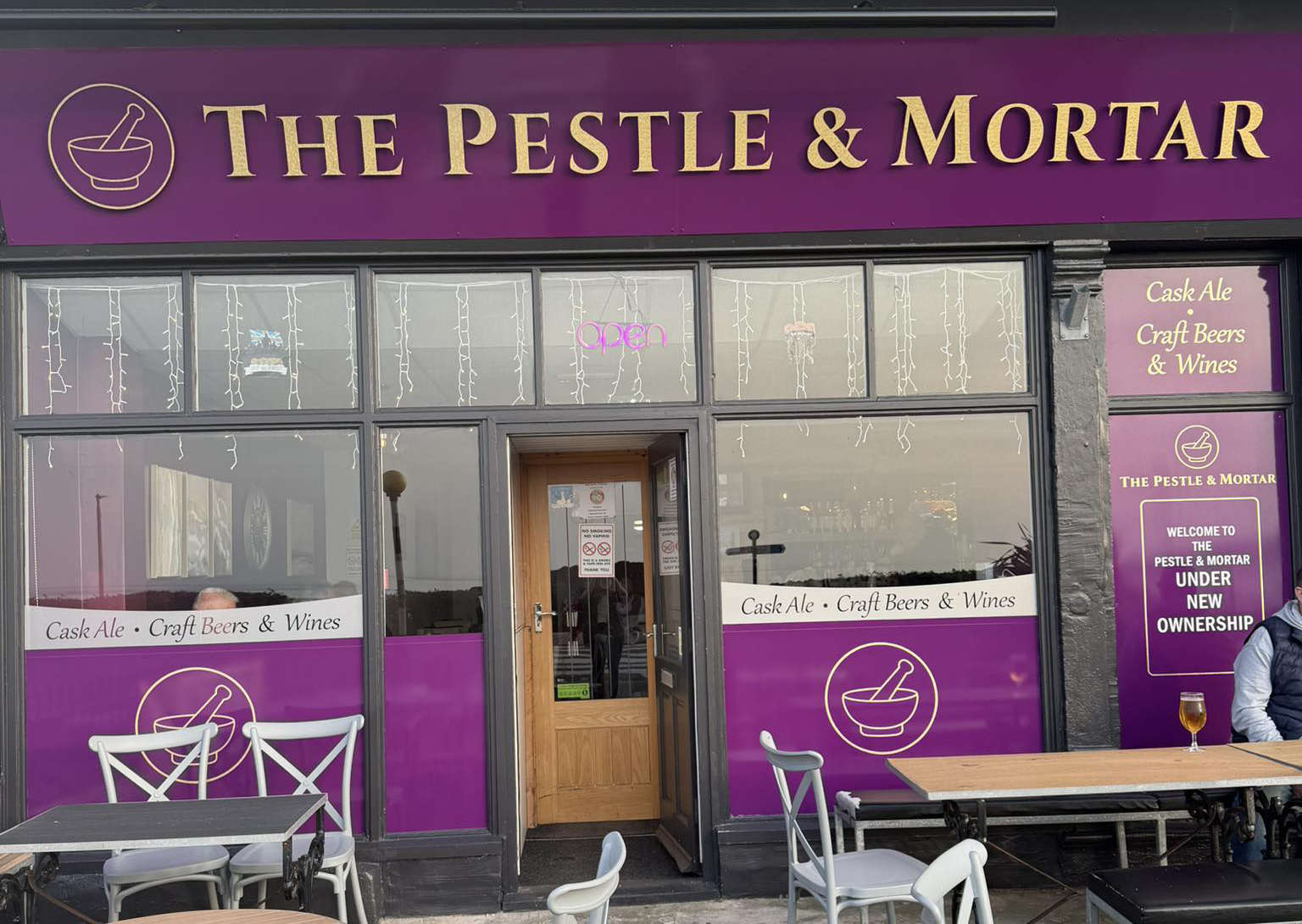 Morecambe bar unveils striking new look
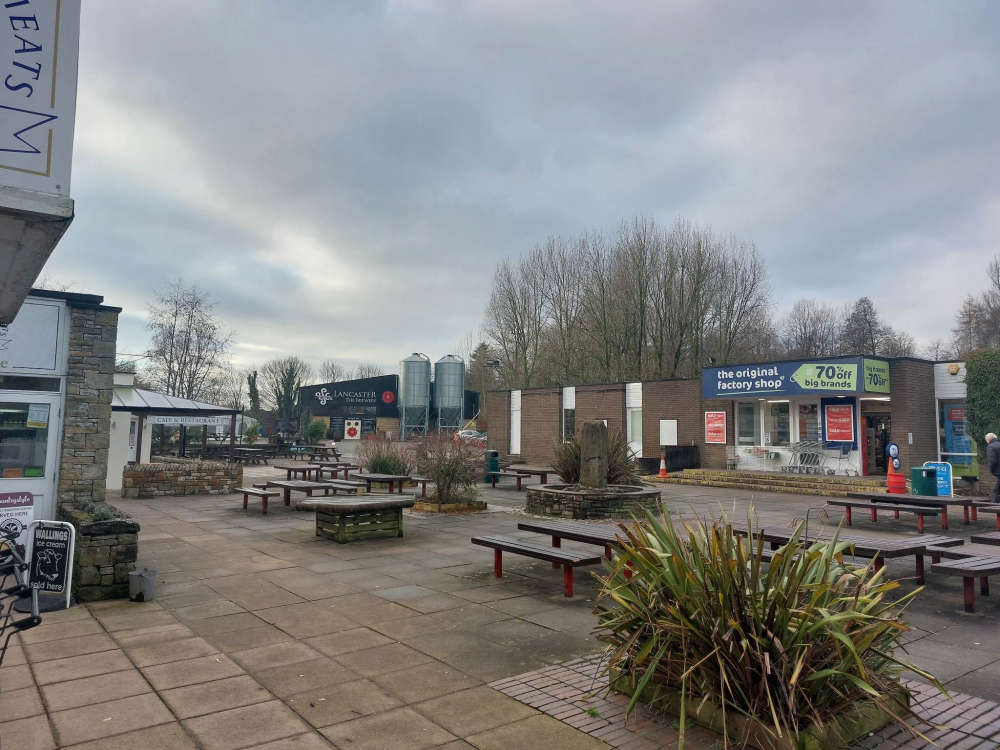 Discount shop in Lancaster shuts down
 Former hotel and bar on Morecambe front is sold prior to auction
 Morecambe Prom reopens after car pulling trailer hits lamppost
 Crackdown on crime in night time economy launched
 Lifeboat crew issue parking warning after weekend call out
 Police issue quicksand warning after riverbank danger for school pupils in Lancaster