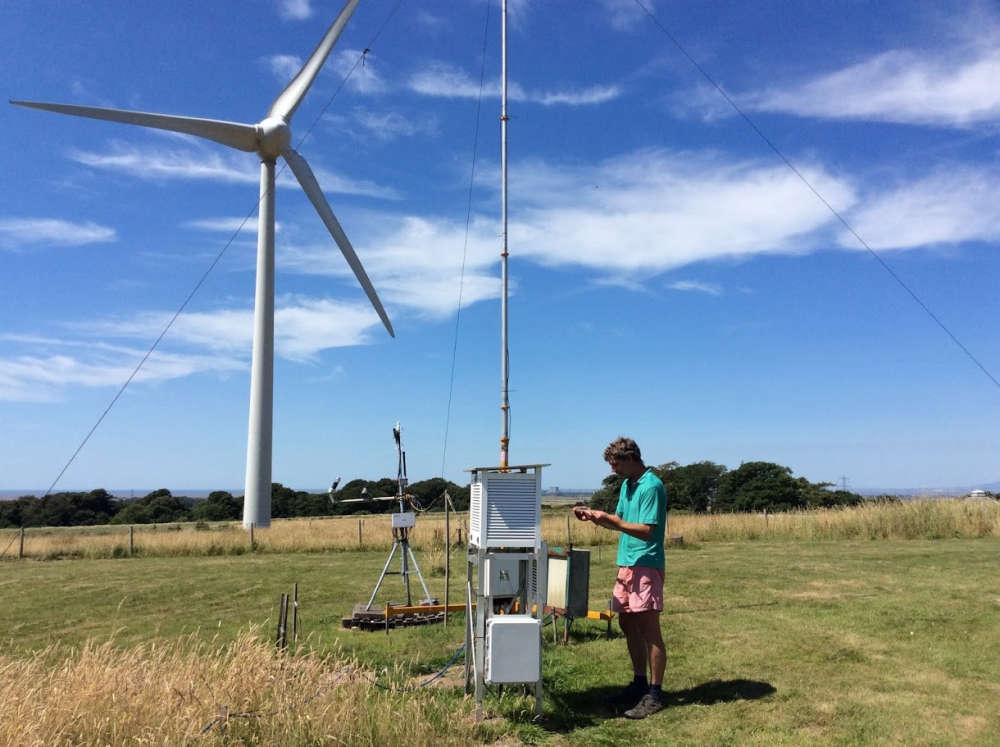
Scientists at Lancaster University’s Hazelrigg weather station have recorded the driest March since records began at the site nearly 60 years ago.
Last month was also the second warmest and the second sunniest March since scientists began taking daily records at Hazelrigg in 1967.
The total rainfall for March 2025 was 27.0mm – just 33 per cent of the average rainfall for March at Hazelrigg, which is located on the hill just above the University campus on the edge of Lancaster.
This narrowly beats the previous driest March record set in March 1993 which saw 27.6mm of rain.
This is followed by March 2012 which saw 28mm of precipitation and 1996 which had 35.9mm.
Of the 27mm of rain in March, more than half fell in one day on Saturday 22nd, with most of the rest falling the following weekend.
This March was also one of the warmest on record.
Scientists record the highest and the lowest temperatures each day and use these to calculate average temperatures.
Daytime maximum temperatures were 3.0 degrees Celsius above average and the minimum 1.7 degrees Celsius above average.
Many of the warmest months of March have been in recent years.
Dr James Heath, from the Lancaster Environment Centre and one of the team of scientists that takes daily weather recordings at Hazelrigg, said this reflects the background warming trend due to climate change.
"Given that average temperatures have been increasing by over 0.2 C per decade, it’s not surprising that when the conditions are favourable, these temperature records are broken more frequently," said Dr Heath.
The average recorded temperature at Hazelrigg for March is 8.6°C maximum and 2.7°C minimum.
Sunshine totals were also well up against the average, at 161 hours (155 per cent of average) although March 2025 was not as sunny as the 177 hours recorded in March 2003.
"The reason for the dry, and often sunny weather is that we’ve had high pressure sitting over or very near to the UK for a lot of the month," said Dr Heath.
“That blocks the path of the Atlantic weather systems that normally give us most of our rainfall, diverting them to the north or south. Parts of Spain have had more than three times their average rainfall for example.
“The exact position of the high pressure has meant that wind direction has varied, but was often from the south or southeast, giving us some very warm daytime temperatures. We reached 17.9°C on the 20th, which is closer to the averages of July and August, and 17.3°C as early as the 9th.”
Hazelrigg is a UK Met. Office climatological station where daily measurements of temperature, rainfall and sunshine have been taken since 1976, with a further 10 years of data collected before that on the University’s Bailrigg campus.

 LISTEN: Lancaster mum and daughter to take on charity parachute jump
 Champions of Morecambe hail "momentum" as town centre footfall rises
 PHOTOS: Tattoo artist shaves beard of 13 years as Lancaster festival raises £6300 for mental health
 Community groups invited to bid from £260K cash pot to boost West End of Morecambe
 Lancashire County Council to step back from co-ordinating refugee resettlement schemes
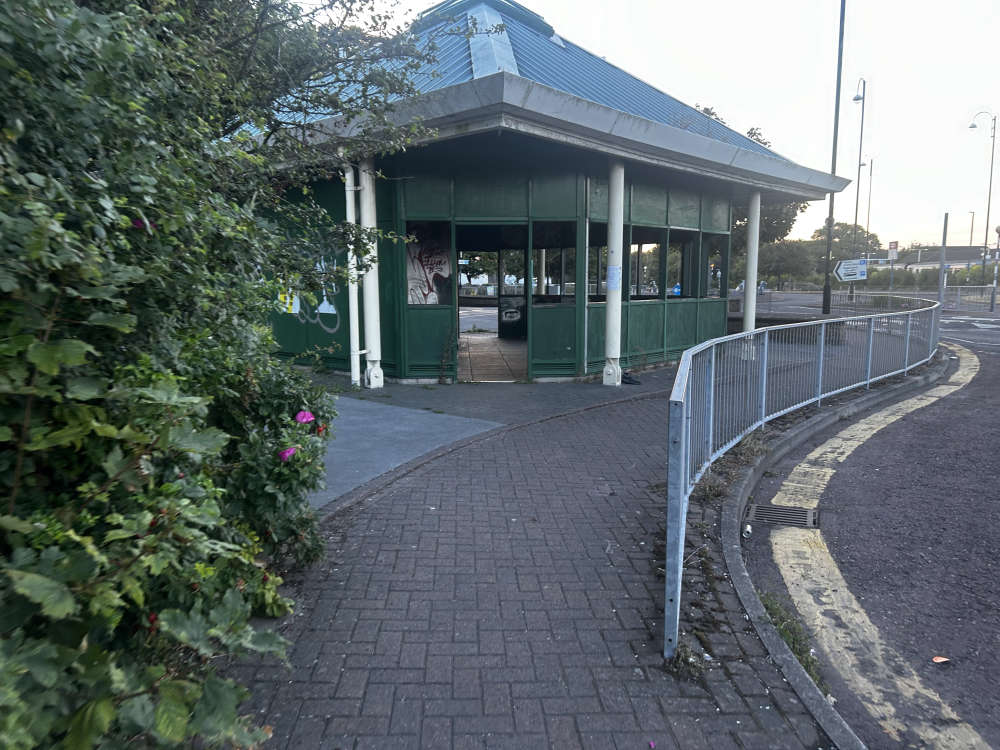 Group fights on with veterans hub plan despite green light for Morecambe bus shelter demolition
 Online applications open for Lancaster school places
 Views sought over homelessness strategy in Lancaster district
 Further arrests as police continue probe into stabbing and disorder on Lancaster estate
 Annual recovery run on Morecambe Prom to bring community together
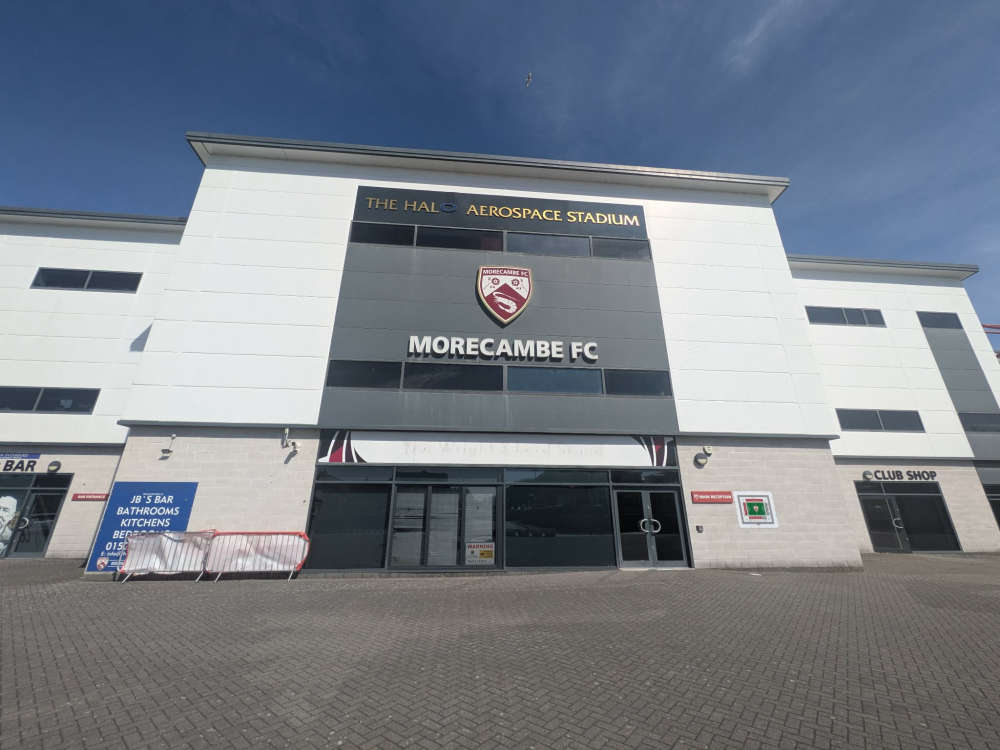 Morecambe FC registration embargo lifted after pension fund issues resolved
 Heysham Port owners appoint new COO
 Lancaster city centre venue closes for revamp as announcement made on new owners
 Passenger injured in road crash at Hest Bank
 Renewed appeal to find missing man believed to be heading towards Lancaster
 Rebrand plans revealed for Lancaster Railway Station cafe
 Family's emotional farewell after 15 years at village pub near Lancaster
 Pedestrian has surgery for injuries after collision in Morecambe with e-biker who then rode off
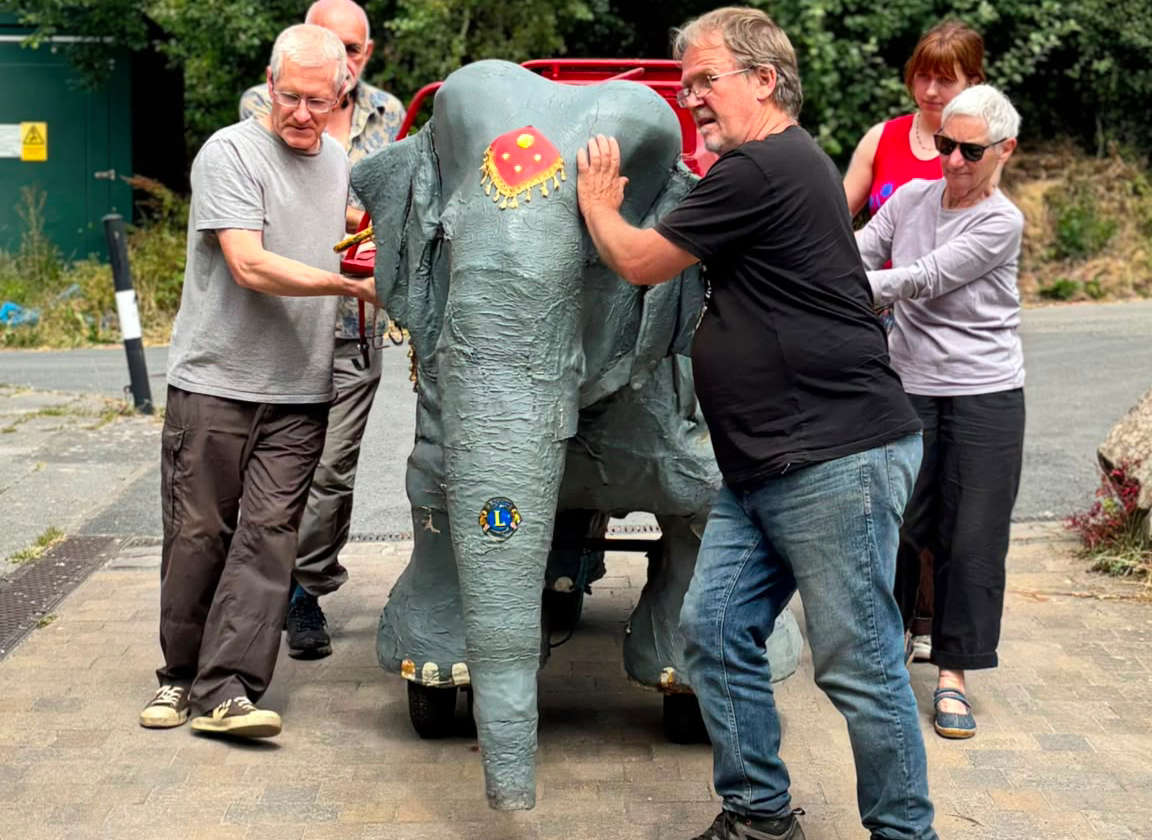 Mechanical elephant once used as children's ride returns home to Lancaster
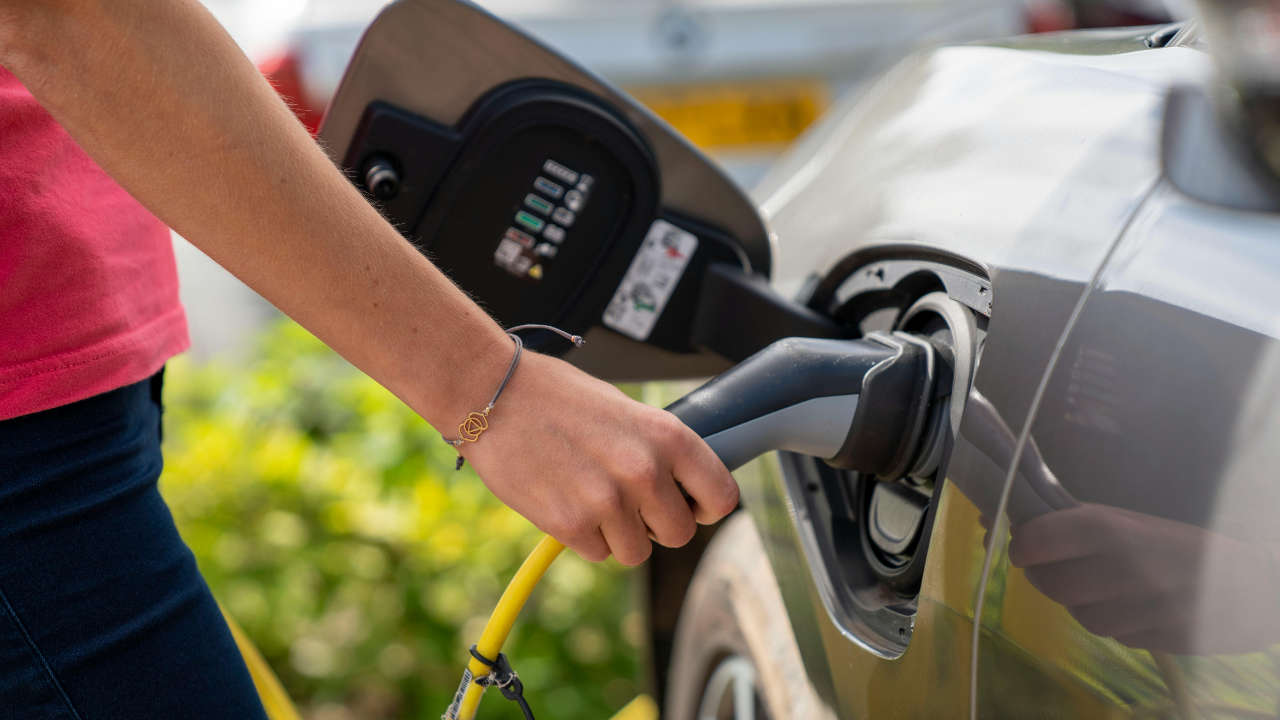 Lancaster solar-powered electric vehicle charging hub plans given go-ahead