
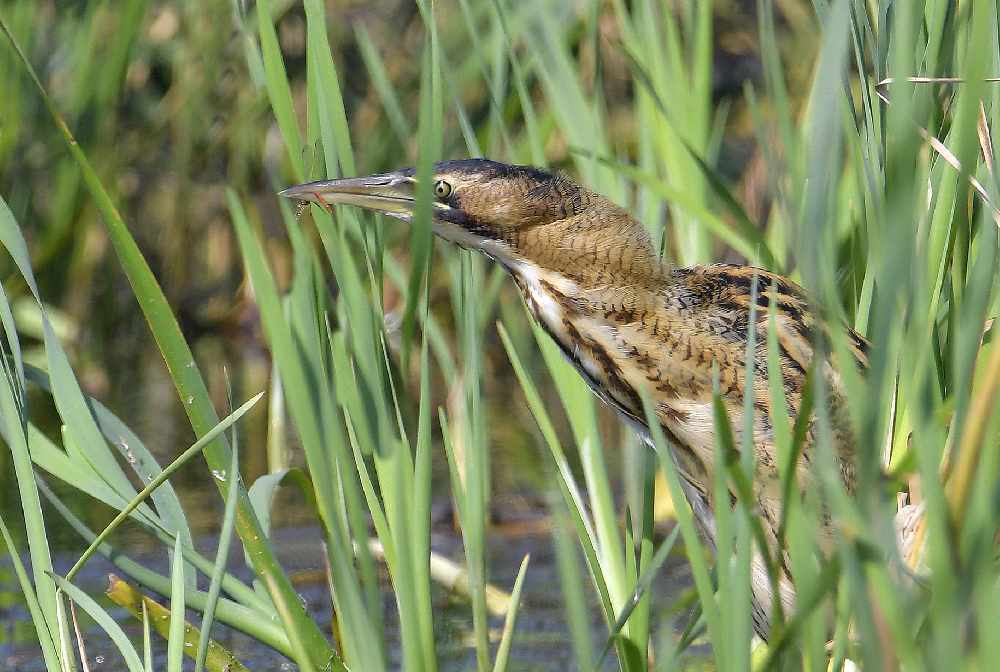
The unique sound of booming bitterns can be heard at RSPB Leighton Moss in Silverdale once again following new methods of managing the nature reserve’s vast reedbeds
After an absence of almost a decade, the elusive birds returned to nest in 2018 and have continued to go from strength to strength, with up to six males birds being heard so far this spring.
An unusual cousin of the more familiar grey heron, bitterns rely on reedbeds to live in - a now rare habitat in the UK, with Leighton Moss being the largest one in North West England.
Jarrod Sneyd, Site Manager at Leighton Moss said: “Leighton Moss has always been synonymous with bitterns but they’d stopped breeding here by the late 2000s. The reasons why are complex. Leighton Moss is an old reedbed and aging reedbed tends to be quite dry. Bitterns like young, wet reedbeds where they can catch fish, so RSPB staff and volunteers spend a lot of time managing the site in a way that halts its aging process and creates the conditions that bitterns and lots of other wildlife need to thrive.”
In the late 1990s bitterns were almost wiped out in the UK, due to the loss of the reedbed habitat on which they depend. At that time Leighton Moss was one of only a few sites in the country where bitterns were clinging on. Just eleven booming male bitterns were left, with three of those at Leighton Moss and the majority of the others in East Anglia.
Since then, the RSPB and other nature conservation organisations have been working hard to save the species and it has been successful, with around 200 booming males now recorded at various sites across the country. Bittern populations are monitored by recording the number of ‘booming’ males. Booming is the unusual song of the male birds, a deep sound similar to blowing over the top of a glass bottle. When fully booming, a male can be heard for several kilometres!
Jarrod added: “After the thrill of having three booming males on the reserve last year we were absolutely delighted to hear at least six different males this spring! It really goes to show that all the hard work that we have done, and continue to do, is really paying off for this most amazing of birds.”
Visitors to the site may hear the bizarre sound of bitterns almost anywhere along the popular reserve’s paths while they may also spot a variety of the site’s other special wildlife such as breeding marsh harriers, otters and bearded tits.
For more information on wildlife sightings, facilities and opening times, visit www.rspb.org.uk/leightonmoss or follow RSPB Leighton Moss on Facebook and Twitter.

 Stunning new drone images show 100 'Eric Morecambes' on beach to celebrate centenary
 Rescue team's warning after motorist cut off by rising tide
 Trapped person freed from vehicle after crash in Heysham
 Firefighters tackle house fire in Lancaster
 Firefighters called to wildfire in Lancaster
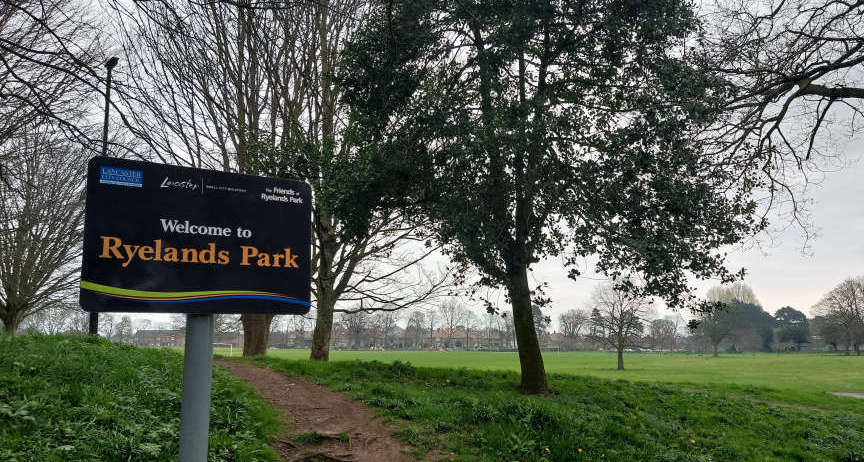 UPDATED: Police put 48 hour dispersal order in place after report of stabbing and arrests in Lancaster
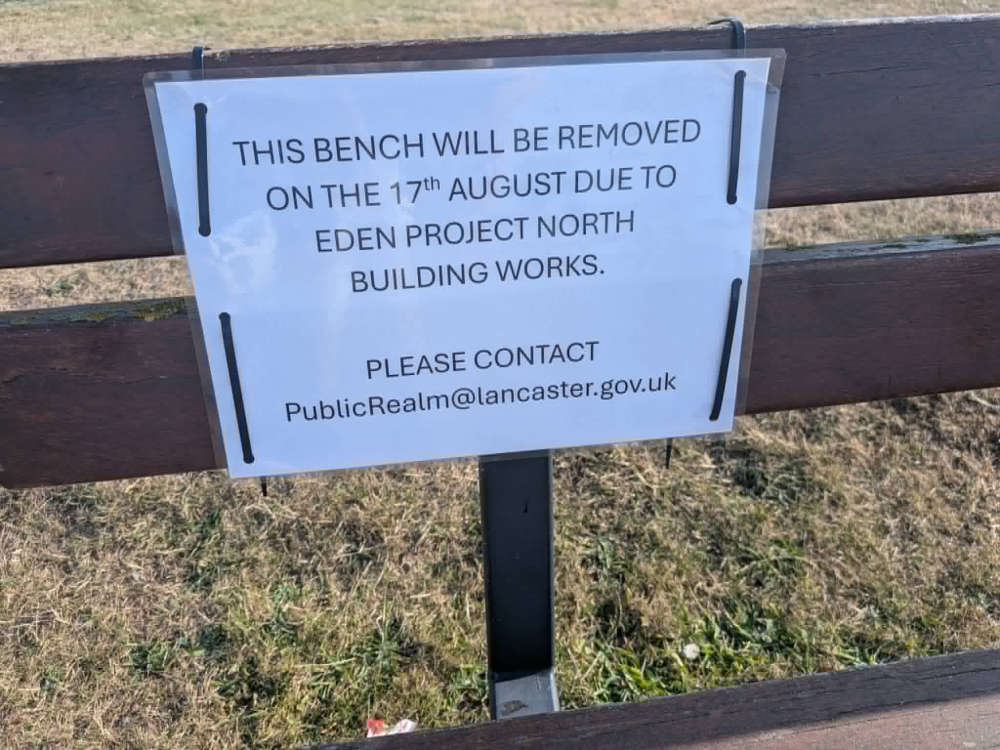 Eden Project Morecambe Hub set to open as start of work on site draws closer
 Morecambe BID gets overwhelming backing to continue for another five years
 Forces veteran launches campaign to stop demolition of former Morecambe bus shelter
 LISTEN: "A thriving Winter Gardens benefits Morecambe"
 New mural unveiled to brighten up crime hot-spot in Lancaster city centre
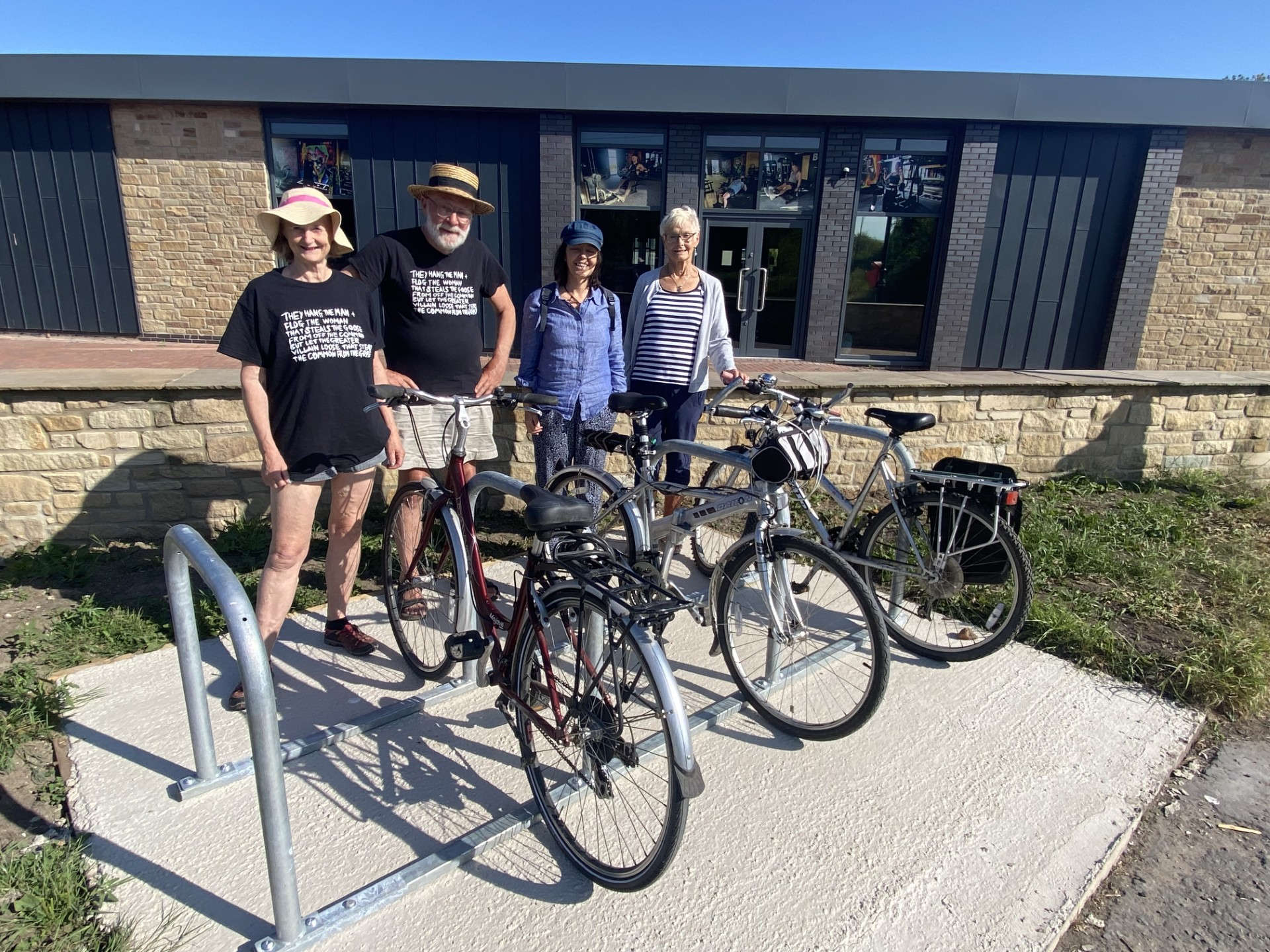 New upgrades unveiled at cherished Lancaster woodland
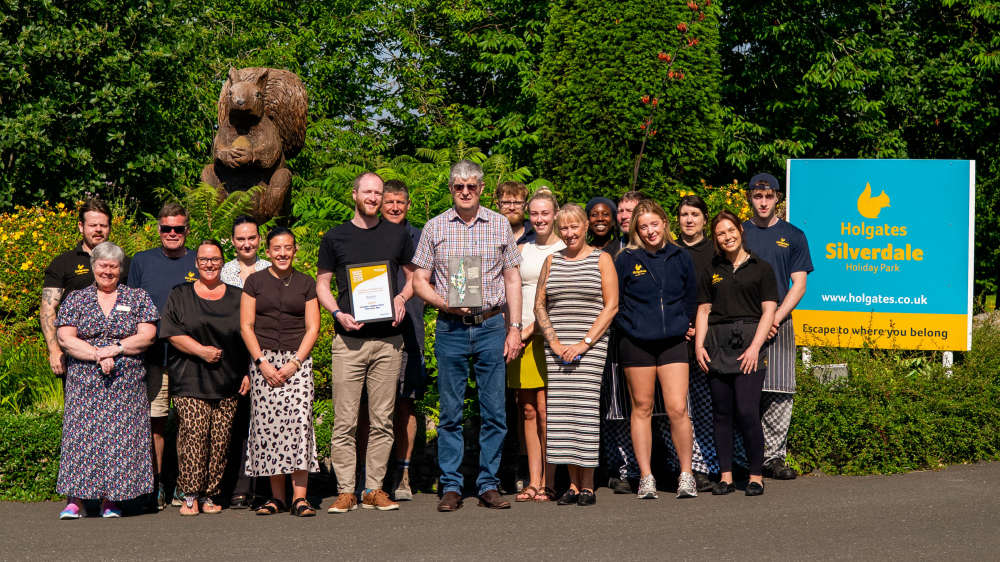 Silverdale holiday park celebrates Cumbria Tourism award success
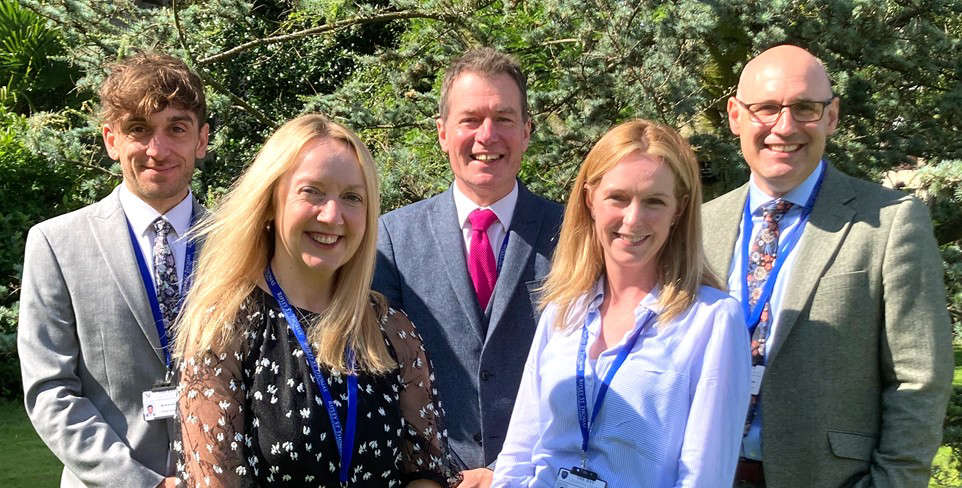 'Exceptional' Ofsted report for Lancaster school-based teacher trainers
 Morecambe lifeboat crew called out to people watching eclipse
 PHOTOS: Once in a generation solar eclipse delights people across Lancaster and Morecambe Bay
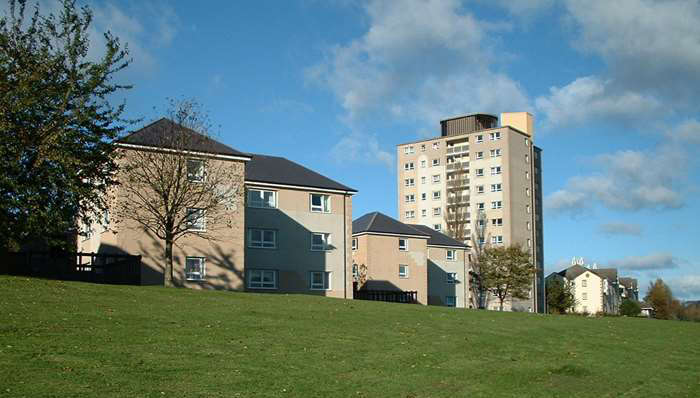 Government housing inspectors tell Lancaster City Council that improvement is needed
 Morecambe FC censured by football regulator
 New Indian restaurant opening soon in Lancaster